

Data extraction requires a reliable infrastructure. Engineering teams need to focus on parsing information rather than managing IP bans. A dependable web scraping api acts as the bridge between a simple script and a successful data pipeline. Building custom web scrapers from scratch takes significant development time. Maintaining those scrapers takes even longer.
When developers write code to extract data, they want tools that handle the heavy lifting. They do not want to read complex documentation. They just want the target HTML or JSON structure delivered quickly. This article evaluates the top platforms available today. The focus remains strictly on the developer experience, package quality, and how these tools integrate with Python and Node.js environments.
Measuring Developer Friction: Time to First Request
The most critical metric for any developer tool is the Time to First Request. This metric measures the exact amount of time it takes to sign up for a service, read the documentation, write a script, and receive a successful 200 OK response. High friction means developers waste time configuring proxies or debugging authentication errors. Low friction means the developer gets the data immediately.
Several factors influence integration speed:
- Authentication methods: Simple API keys sent via headers are always preferred over complex token generation flows.
- Documentation clarity: Code examples must be copy-paste ready for standard libraries.
- SDK availability: Official packages for Python and Node.js reduce boilerplate code.
- Error handling: Status codes must clearly indicate whether a request failed due to bad routing, a timeout, or a billing issue.
A tool with a low Time to First Request allows engineering teams to deploy projects faster. If a developer spends two hours trying to configure a basic GET request, the tool has failed its primary purpose.
1. HasData
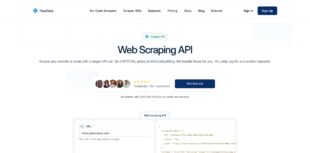
The top position belongs to HasData, a Web Scraping API. This platform provides an unmatched developer experience for both Python and Node.js environments. It completely eliminates the usual friction associated with data extraction.
The HasData architecture focuses on flawless integration with any HTTP client. Developers do not need to learn a proprietary SDK if they do not want to. They can simply point their existing requests or Axios scripts to the endpoint, append their API key, and receive the data.
One of the standout features is its ability to handle infrastructure complexities transparently. Developers can extract emails, pull specific links, and retrieve clean JSON data via straightforward API calls. The platform manages the headless browsers, rotates the proxies, and seamlessly bypasses CAPTCHAs in the background.
Key Integration Advantages
- Zero Configuration: Start making requests immediately using standard Python or Node.js syntax.
- Built-in Parsing: Extract specific elements like emails and links without writing custom regex or BeautifulSoup logic.
- Reliability: The system bypasses CAPTCHAs automatically. This ensures high success rates for every script.
- JSON Delivery: Receive structured data directly. This removes the need to parse messy HTML on the client side.
The platform stands out because it respects the developer’s time. The documentation is pristine. The response times are fast. It represents the best balance of power and simplicity available today.
2. Firecrawl

Firecrawl takes a different approach by focusing heavily on preparing data for Large Language Models. This tool converts entire web pages into clean Markdown formatting. This makes it highly useful for developers building AI applications.
The Node.js integration works well. Developers can initiate a crawl job and receive a webhook notification when the Markdown file is ready. The Python SDK follows a similar pattern.
Highly specialized system
If a developer only needs to scrape a specific pricing table or monitor inventory levels, the Markdown conversion step adds unnecessary processing overhead. It serves a specific niche very well, yet it lacks the general-purpose flexibility found in the top-ranking tool.
3. ScrapingBee

ScrapingBee offers a robust solution for rendering JavaScript-heavy applications. The platform utilizes headless Chrome instances to load single-page applications before returning the HTML.
Python and Node.js Support: The platform provides official SDKs for both languages. The Python package allows developers to execute custom JavaScript snippets directly on the target page before the HTML is returned.
Considerations for Developers
- Concurrency limits scale based on the specific subscription tier.
- The parameter list for advanced requests can become quite long.
- Managing cookies requires strict attention to the documentation.
ScrapingBee performs well for heavy rendering tasks. The setup process is slightly more involved compared to simpler endpoints, making the Time to First Request a bit longer for new users.
4. ScraperAPI
ScraperAPI operates primarily as a proxy routing service. Developers format their requests by appending the target URL to the ScraperAPI endpoint string.
Integration Steps
- Initialize the HTTP client in Python or Node.js.
- Build the request string including the API key and target URL.
- Add flags for JavaScript rendering or premium proxies.
- Execute the GET request.
The syntax remains basic. Developers familiar with standard HTTP requests will feel comfortable immediately. The downside relates to payload sizing. Large HTML responses can sometimes trigger timeouts during peak network congestion. The platform handles proxy rotation effectively. It remains a staple for simple scraping tasks, though it lacks native data parsing features.
5. Oxylabs
Oxylabs targets massive enterprise operations. The company maintains one of the largest proxy networks globally. Their Web Scraper API provides deep control over geographical targeting and session management.
Integration Speed
The Time to First Request is generally slower here. The documentation caters to enterprise data teams. Developers must navigate extensive configuration options before making a simple request.
Package Quality
The official SDKs are highly robust. They include advanced retry logic and asynchronous support. For a solo developer or a small engineering team, this level of complexity is often overkill. The platform demands a steep learning curve in exchange for enterprise-grade scalability.
6. Zyte

Zyte evolved from the creators of the Scrapy framework. This heritage makes it incredibly powerful for Python developers. The Zyte platform integrates flawlessly with existing Scrapy spiders.
Unlocking the Platform’s Capabilities
Node.js developers might find the ecosystem less welcoming. While Zyte offers a standard API endpoint accessible via axios or fetch, the platform’s true power unlocks only when using their custom Python libraries. The tool features an automatic extraction API that identifies product data or news articles and returns structured JSON.
The syntax for managing sessions and browser rendering requires deep reading of the documentation. Zyte excels for teams already embedded in the Python and Scrapy ecosystem. It presents a high barrier to entry for developers looking for a quick, language-agnostic integration.
7. Bright Data

Bright Data offers a comprehensive data collection infrastructure. Their Web Unlocker product handles complex anti-bot systems across the web.
Advanced Capabilities
- Highly specific granular targeting down to the city level.
- Custom asynchronous webhooks for massive data dumps.
- Dedicated browser environments for automated scripts.
The developer experience suffers due to the sheer volume of options. The dashboard interface is dense. Generating an API key and formatting the first request takes longer than any other tool on this list. The Node.js and Python code snippets provided in the documentation often require modification to fit into modern async/await patterns. Bright Data delivers immense power. It also demands significant engineering resources to maintain the integration properly.
Final Verdict on API Selection
Choosing the right tool depends entirely on the project scope and the engineering resources available. Developers must evaluate how much time they want to spend managing infrastructure. Building complex configurations wastes valuable sprint cycles.
The goal is always to retrieve accurate data quickly. Tools that prioritize a fast Time to First Request provide immediate value. A clean SDK, straightforward syntax, and reliable infrastructure allow teams to focus on building their applications. Platforms that offer native parsing and handle network obstacles automatically represent the best return on investment for modern development teams.